

In the realm of pain management, innovative technologies have transformed how we approach and alleviate discomfort. Among these advancements, PEMF (Pulsed Electromagnetic Field) Therapy and TENS (Transcutaneous Electrical Nerve Stimulation) stand out for their unique methods of offering relief. PEMF Therapy harnesses electromagnetic fields to stimulate the body’s natural healing processes, commonly applied to accelerate bone healing, reduce inflammation, and enhance recovery from injury. On the other hand, TENS employs electrical currents to interrupt or block pain signals before they reach the brain, a technique often used for chronic pain management, muscle recovery, and rehabilitation purposes.
Both modalities offer non-invasive solutions, aiming to reduce reliance on medication and improve quality of life. However, despite their shared goal of pain management, PEMF and TENS operate on distinctly different principles and applications. This article intends to delve into each therapy’s nuances, exploring their mechanisms, benefits, and when one might be preferred over the other. By comparing PEMF and TENS, we aim to provide a clear, authoritative guide for individuals navigating the complex landscape of pain management technologies.
Understanding PEMF and TENS
Understanding the intricacies of PEMF (Pulsed Electromagnetic Field) Therapy and TENS (Transcutaneous Electrical Nerve Stimulation) unlocks the potential for targeted, effective pain management strategies. Let’s dive deep into each therapy’s workings, applications, and advantages.
PEMF Therapy: A Closer Look
Mechanism of Action: PEMF Therapy operates on the principle of emitting electromagnetic fields into the body. These fields stimulate electrical and chemical processes in the tissues, enhancing the body’s natural healing capabilities. The electromagnetic pulses encourage cellular repair, improve circulation, and promote bone and tissue regeneration.
Typical Uses: Doctors and physical therapists often recommend PEMF for accelerating the healing of fractures, reducing inflammation in arthritis, aiding in post-surgical recovery, and enhancing the repair of soft tissue injuries. Its application extends to treating conditions like depression and anxiety, showcasing its versatility in addressing both physical and mental health challenges.
Benefits: The most significant advantage of PEMF lies in its ability to promote cellular recovery without direct contact or invasive procedures. Users report substantial relief from pain and improved mobility, alongside enhancements in overall wellbeing and energy levels. Its non-invasive nature minimizes risks, making it a safe option for long-term use and for individuals seeking alternatives to medication.
TENS Therapy: An Insightful Overview
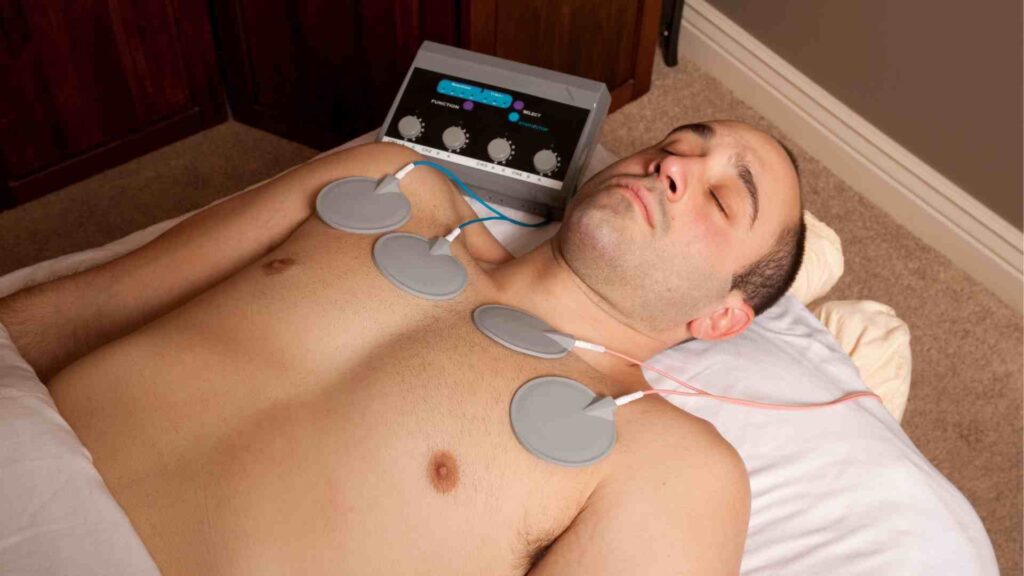
Mechanism of Action: TENS Therapy uses low-voltage electrical currents to relieve pain. These currents are delivered through electrodes placed on the skin, near the area of discomfort. The electrical impulses interfere with pain signals’ transmission to the brain and can increase the production of endorphins, the body’s natural painkillers.
Typical Uses: TENS is widely utilized for managing chronic pain conditions such as fibromyalgia, neuropathic pain, and osteoarthritis. It’s also effective in acute scenarios like post-operative pain and labor pain. Moreover, athletes incorporate TENS into recovery routines to alleviate muscle soreness and accelerate rehabilitation from injuries.
Benefits: The primary appeal of TENS lies in its ability to offer immediate pain relief without the side effects associated with pharmaceuticals. Its adjustability in intensity and frequency allows for tailored treatment plans, catering to individual pain thresholds and specific conditions. Portable TENS units enable users to maintain their daily activities without interruption, offering a discreet, flexible pain management solution.
Both PEMF and TENS therapies embody the advancements in non-invasive pain management techniques, each with unique mechanisms and benefits. By understanding their distinct characteristics, individuals can make informed decisions about their health, leaning on the expertise of medical professionals to guide their choice. These therapies not only represent the forefront of pain management but also the commitment to enhancing life quality through technology.
Comparing PEMF and TENS
When exploring pain management options, it’s crucial to understand that PEMF (Pulsed Electromagnetic Field) Therapy and TENS (Transcutaneous Electrical Nerve Stimulation) are not the same. Despite their common goal of alleviating pain and enhancing healing, these therapies differ significantly in technology, application, and impact on the body.
Technology: PEMF Therapy utilizes electromagnetic fields to encourage the body’s natural healing processes. It generates electromagnetic waves that penetrate the body, reaching deep into tissues, bones, and cells to stimulate repair and enhance cellular function. In contrast, TENS Therapy relies on electrical currents to manage pain. These currents are applied directly to the skin’s surface, targeting the nervous system to block pain signals from reaching the brain or to stimulate the production of endorphins, the body’s natural painkillers.
Application: The application of PEMF extends beyond pain relief, promoting healing at the cellular level. It is used to accelerate bone healing, reduce inflammation, and improve circulation, making it suitable for a wide range of conditions from bone fractures to depression. TENS, however, is primarily focused on pain management. Its use is prevalent in treating chronic pain conditions, post-operative pain, and muscle soreness, with settings adjustable to cater to acute or chronic pain scenarios.
Effect on the Body: PEMF’s influence on the body is comprehensive, impacting cellular health, promoting bone regeneration, and enhancing tissue repair. Its effects are felt deep within the body, targeting the root causes of pain and inflammation. TENS, while effective in pain relief, operates more on the surface level, interrupting pain signals or increasing endorphin levels to provide temporary relief.
In summary, while both PEMF and TENS therapies offer valuable solutions in the realm of pain management and recovery, they serve different purposes and work through distinct mechanisms. PEMF is about stimulating the body’s healing processes from within, offering a broad range of therapeutic benefits, whereas TENS focuses on the immediate relief of pain through electrical stimulation. Understanding these differences is key to choosing the most appropriate therapy for individual health needs.
Applications and Limitations
Understanding when and how to use PEMF (Pulsed Electromagnetic Field) Therapy and TENS (Transcutaneous Electrical Nerve Stimulation) is crucial for maximizing their benefits while minimizing risks. Let’s delve into the specific scenarios where PEMF should be avoided, the advantages of PEMF over TENS, and the potential downsides of TENS therapy.
When to Avoid PEMF
PEMF therapy, while beneficial for a wide range of conditions, is not suitable for everyone. Certain conditions and scenarios warrant caution:
- Pregnancy: The effects of PEMF on fetal development are not well-studied, so it’s advisable to avoid its use during pregnancy.
- Electronic Implants: Individuals with electronic implants, such as pacemakers or insulin pumps, should avoid PEMF since the electromagnetic fields can interfere with the functioning of these devices.
- Cancer: Patients with cancer should consult their doctor before using PEMF therapy. While research is ongoing, the potential effects of electromagnetic fields on cancer cells require careful consideration.
- Active Bleeding: Since PEMF can improve circulation and potentially increase bleeding, it’s not recommended for use in situations of active bleeding or immediately following major surgery.
Advantages of PEMF over TENS
PEMF therapy offers several advantages over TENS in specific situations:
- Deep Tissue Healing: PEMF’s ability to penetrate deep into tissues and bones makes it more effective for conditions like bone fractures, osteoarthritis, and deep muscle pain, where TENS may only provide surface-level relief.
- Cellular Regeneration: PEMF promotes cellular repair and regeneration, offering long-term benefits for chronic conditions by addressing the root causes of pain and inflammation, unlike TENS, which primarily focuses on symptomatic relief.
- Broader Application: PEMF has a wider range of applications, including mental health conditions like depression and anxiety, where TENS is less effective.

The Disadvantages of TENS Therapy
While TENS is a popular and effective pain management tool, it comes with its own set of limitations:
- Surface-Level Relief: TENS primarily provides temporary pain relief without addressing underlying health conditions. Its effects are more superficial compared to the deep healing potential of PEMF.
- Dependence: There’s a risk of becoming reliant on TENS for pain relief, potentially overlooking the need for comprehensive treatment strategies.
- Skin Irritation: Frequent use of TENS can lead to skin irritation under the electrode pads, especially for those with sensitive skin.
- Ineffectiveness for Certain Conditions: TENS may not be as effective for deep-seated pain or conditions that benefit from cellular-level healing, such as bone injuries or systemic conditions.
In conclusion, while both PEMF and TENS therapies offer significant benefits in pain management and recovery, understanding their applications and limitations is key to selecting the most appropriate treatment. Careful consideration of individual health conditions, treatment goals, and the advice of healthcare professionals will guide the choice between PEMF and TENS, ensuring the most effective and safe approach to managing pain.