

The Moment We’ve Been Waiting For
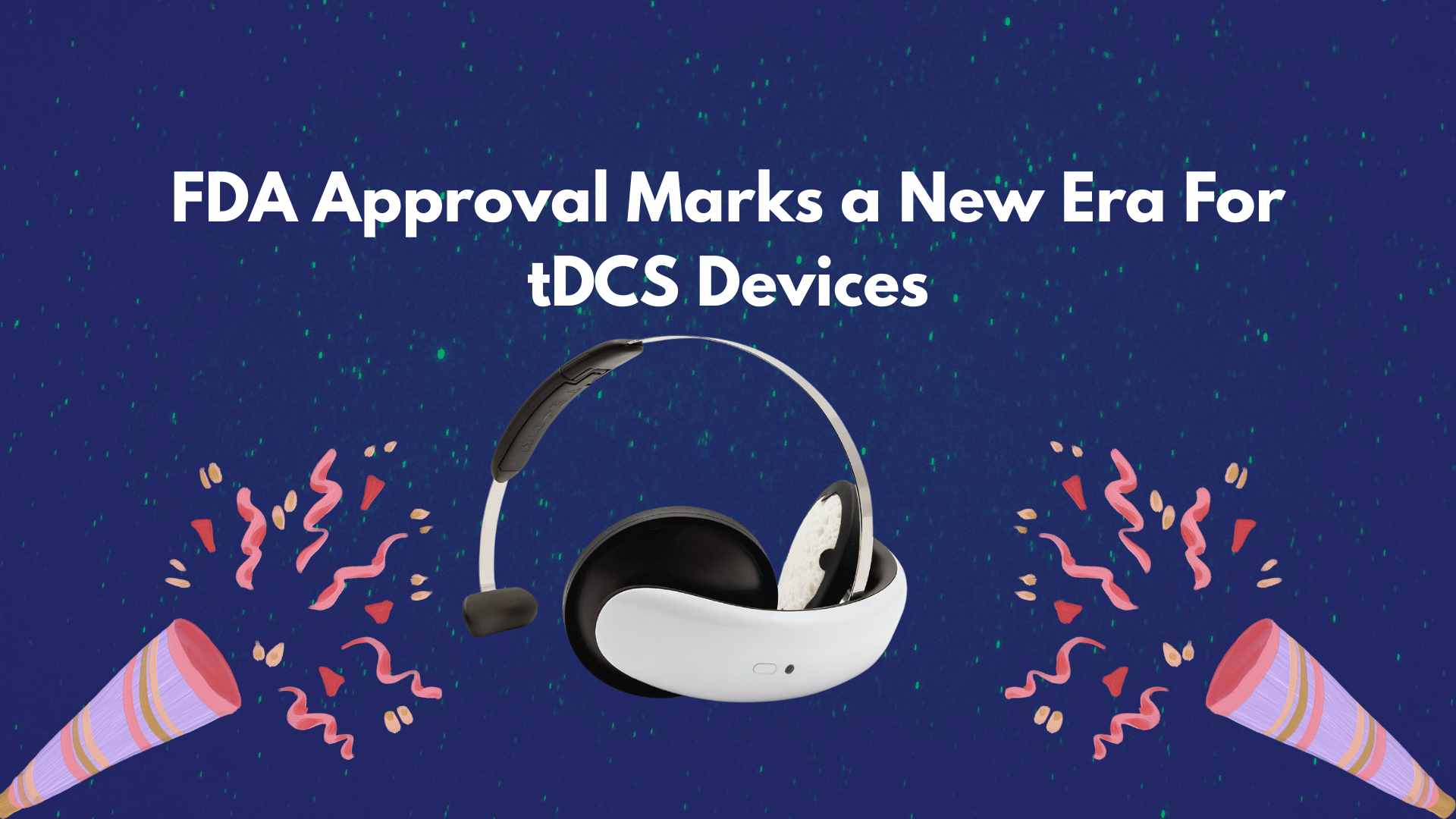
When I first started following tDCS devices, I never imagined we’d reach this point. December 8, 2025, changed everything. The FDA granted full premarket approval to Flow Neuroscience’s FL-100 device for treating moderate to severe major depressive disorder. This isn’t just another regulatory nod, this is the first time the FDA has approved a home-use, non-invasive brain stimulation device specifically for depression treatment.
The approval was based on Flow’s landmark study published in Nature Medicine, representing a major regulatory milestone in non-pharmacological treatment of depression. After decades of research and thousands of studies, tDCS has finally achieved the validation it deserves at the highest regulatory level.
What the Research Actually Shows
The research study that made this breakthrough possible was massive, 174 people participated in a randomized, sham-controlled clinical trial that delivered significant gains in depression rating scales following 10 weeks of at-home therapy sessions.
Patients wore the device for 30 minutes at a time, starting with five sessions per week for three weeks, then dropping to three sessions weekly for the remainder of the study.
Active tDCS produced significantly greater symptom reduction than sham treatment, with a mean improvement of 9.41 points versus 7.14 points on the Hamilton Depression Rating Scale.
What’s even more impressive is the remission rate. 58% of patients achieved remission by the end of the 10-week study. This is two to three times higher than sham stimulation. The device worked both as a standalone treatment and alongside existing medications, making it applicable to real-world conditions.
Part 3: What This Means for the Future
This approval arrives at a critical moment. More than 20 million U.S. adults suffer from depression, a 60% increase over the past decade and about one-third of patients do not respond to medication or stop treatment due to side effects.
For these people, the FL-100 represents something transformative: a prescription-based, evidence-backed alternative that doesn’t come with the weight gain, sexual dysfunction, or emotional numbing that often accompany antidepressants.
The device will be available in the U.S. by the second quarter of 2026, priced between $500 and $800. But the real breakthrough isn’t just about this single device. This FDA approval opens the door for an entirely new category of home-based neuromodulation treatments.
We’re witnessing the transition from clinic-only brain stimulation to accessible, at-home therapy that patients can control themselves under clinical supervision. After years of wondering if tDCS would ever break into mainstream medicine, we’re finally here and the future looks brighter than ever.