

Let’s talk about something that’s about to shake up mental healthcare in a big way.
I just got wind of an incredible update from Fisher Wallace Labs CEO Kelly Roman, and honestly, it’s got me fired up about the future of mental health treatment. This is about making real, lasting change in how we approach anxiety, depression, and insomnia.

The Game-Changer: Meet OAK
Fisher Wallace has been quietly revolutionizing mental health with their FDA-cleared neurostimulation devices for over three decades. Their current Version 1.0 device? It’s already FDA-cleared to treat depression, anxiety, and insomnia, with most patients experiencing relief within two weeks using just 20-minute sessions at home.
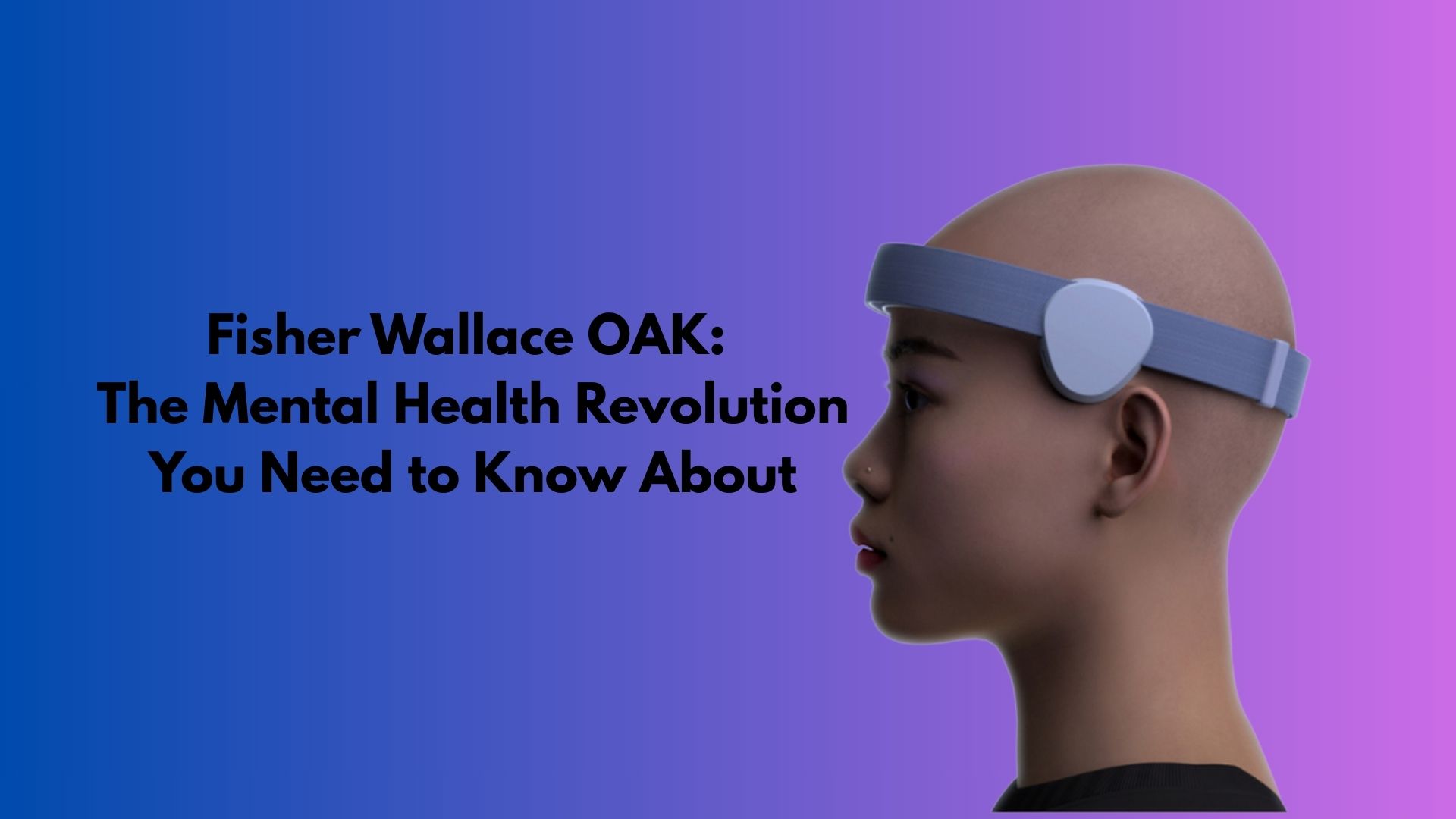
But here’s where it gets really exciting: they’re about to launch OAK, their Version 2.0 device that uses transcranial alternating current stimulation (tACS) technology. Think of it as the smartphone evolution of mental health treatment—sleeker, smarter, and way more powerful.
The Breakthrough Moment
Roman’s latest update reveals they’ve just signed a contract with the US Department of Veterans Affairs for a feasibility study through their Birmingham, Alabama Medical Center. This is a strategic move that could revolutionize how we treat mental health in our veteran population.
The VA represents their primary B2B target, and they’re building similar bridges with the Department of Defense for active duty personnel. Smart move, considering the massive need for accessible mental health solutions in these communities.
Why This Matters More Than You Think
Here’s what really caught my attention: Fisher Wallace Labs has already served over 100,000 customers with their scientifically validated technology, and they have over 60,000 active Version 1.0 users. That’s proof of concept at scale.
But Roman’s vision goes way beyond treating existing conditions. He’s talking about prevention. Imagine using OAK not just to treat anxiety and depression, but to actually prevent these conditions in healthy users. We’re talking about a total addressable market that could eventually reach “nearly everyone”, just like smartphones did.
The FDA Fast Track
What’s got me most excited is their FDA strategy. They’re using their existing Version 1.0 device as a predicate for a new 510(k) clearance to treat anxiety. They’re preparing to launch a new depression study to obtain FDA approval for the treatment of depression, with submission targeted for November 2025.
They’ve brought in former FDA staff as consultants to ensure their application is bulletproof. When you combine that level of expertise with their strong clinical data, you’re looking at what could be a very smooth approval process.
The Vision That’s Got Me Hooked
Roman’s comparison to the smartphone evolution is spot-on. Just like early smartphones optimized communication before the touchscreen transformed them into general-purpose computing devices, OAK is starting by optimizing treatment of anxiety, depression, and insomnia. Within five years, they plan to prove it can treat a range of disorders rapidly and durably.
This isn’t just incremental improvement, it’s potentially transformative.
What’s Next?
They’ve engaged a 1,600-employee advisory firm to manage their Series A financing, expecting to conclude before year-end. The company is positioning itself not just as another medical device manufacturer, but as the potential democratizer of mental healthcare.
The Bottom Line
Mental health treatment has been stuck in the past for too long. Traditional therapy is expensive, time-consuming, and not accessible to everyone who needs it. Medication comes with side effects and doesn’t work for everyone.
Fisher Wallace’s approach, which is validated, accessible, at-home neurostimulation, represents a genuine paradigm shift. With OAK on the horizon and serious institutional backing from the VA and potentially the DOD, we’re looking at the early stages of what could become the standard of care for mental health treatment.
The road’s been longer than expected, but sometimes the best revolutions take time to get right. Keep your eyes on this space. OAK might just be the mental health breakthrough we’ve all been waiting for.