
Insomnia is a common sleep disorder characterized by difficulty falling asleep, staying asleep, or waking up feeling unrefreshed. Over time, poor sleep can affect mood, focus, emotional regulation, and overall quality of life.
While insomnia is often addressed with behavioral changes, therapy, or medication, many people look for non-drug, at-home solutions to support healthier sleep patterns.
How tDCS May Help With Insomnia
tDCS influences brain activity by delivering a low-intensity electrical current to targeted areas of the brain involved in arousal, relaxation, and sleep regulation.
Research suggests tDCS may support sleep by:
- Modulating cortical excitability linked to hyperarousal
- Supporting relaxation before sleep
- Improving sleep quality and sleep efficiency
- Helping regulate stress-related brain activity that interferes with sleep
tDCS is often used alongside sleep hygiene practices, cognitive behavioral therapy for insomnia (CBT-I), or relaxation techniques.
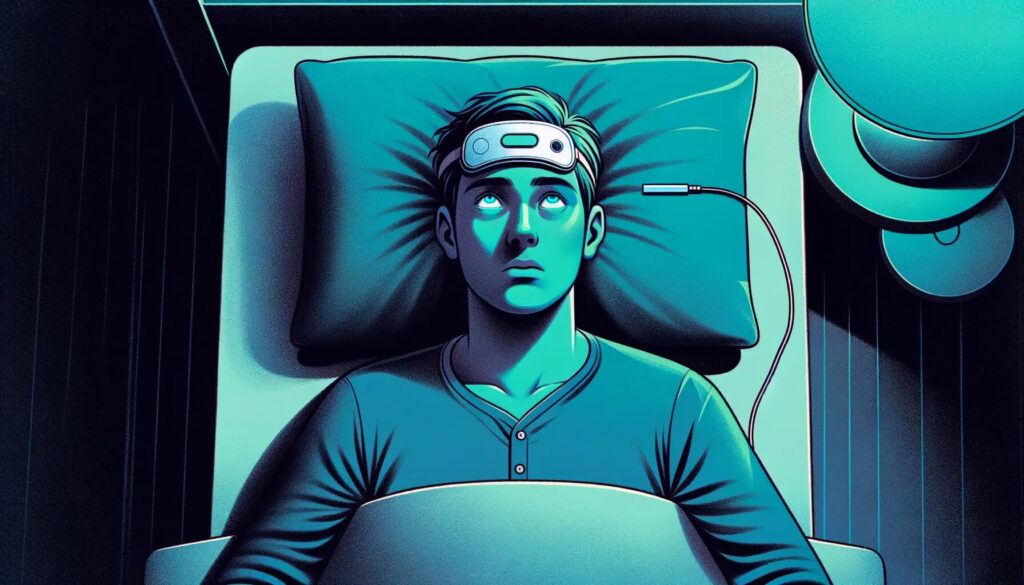
Why People Use Home tDCS Devices for Sleep
In both research and real-world use, tDCS has been explored as a way to support sleep without medication. Carefully designed home-use tDCS devices make it possible to follow consistent stimulation routines in a familiar environment.
People choose home tDCS devices for insomnia because they are:
Choosing the Right tDCS Device for Insomnia
Sleep-related protocols require stable current delivery, comfort, and ease of use, especially when used in the evening or before bed.
On tdcsdevices.com, we review devices that:
- Support relaxation- and sleep-oriented protocols
- Are comfortable for pre-sleep use
- Offer consistent and controlled stimulation
- Are designed with safety in mind
👉 Explore our reviewed tDCS and neurostimulation devices for sleep support to find options suited to your routine. Go in the “review” category of our header.
Flow Neuroscience Headset

tDCS-Based Neurostimulation With Structured Support
Flow is one of the most well-known tDCS headsets and, while FDA-cleared for depression, it is also explored by users looking to support sleep indirectly by improving mood regulation and reducing cognitive hyperarousal.
Its structured app and consistent stimulation protocols make it relevant for people whose insomnia is linked to stress or emotional dysregulation.
Why it stands out
- FDA-cleared for depression (December 8)
- Targets the prefrontal cortex using clinically studied protocols
- Structured app designed to support healthier mental habits
- High emphasis on safety, consistency, and ease of use
- Often used alongside relaxation or sleep hygiene routines
👉 Best suited for users whose insomnia is closely linked to stress or mood imbalance.
Neuromyst Pro

Flexible tDCS for Relaxation & Sleep Support
Neuromyst Pro offers a more customizable tDCS experience and is often chosen by users who want flexibility when exploring relaxation- and sleep-oriented stimulation protocols.
Its adjustable settings make it suitable for users who want to integrate tDCS into an evening wind-down routine.
Why it stands out
- Adjustable stimulation settings and protocol flexibility
- Suitable for relaxation, stress reduction, and cognitive downregulation
- High-quality electrodes and solid device build
- Appeals to users who want control over session timing and intensity
👉 A strong option for users seeking customizable sleep-support routines.
BrainTap Headset

Neurostimulation Designed for Relaxation & Sleep
BrainTap is widely used for sleep support thanks to its combination of light stimulation, guided audio, and relaxation-focused sessions. While it is not a traditional tDCS-only device, it is frequently chosen to support relaxation and pre-sleep mental recovery.
Why it stands out
- Combines neurostimulation with guided audio and light therapy
- Large content library focused on sleep, relaxation, and stress reduction
- Extremely easy to use with no complex setup
- Strong emphasis on calming the nervous system before sleep
👉 Best for users looking to support sleep quality through relaxation and guided sessions.
Important Note
tDCS is not a treatment for insomnia and should not replace professional medical advice. If sleep problems persist or worsen, consult a qualified healthcare provider.