
Major Depressive Disorder (MDD) is a serious mood disorder characterized by persistent low mood, loss of interest, fatigue, and cognitive difficulties. For many people, standard treatments such as antidepressant medication or psychotherapy may not provide sufficient relief or may come with unwanted side effects.
This has led to growing interest in non-invasive brain stimulation techniques, including transcranial Direct Current Stimulation (tDCS).
How tDCS Helps With Depression
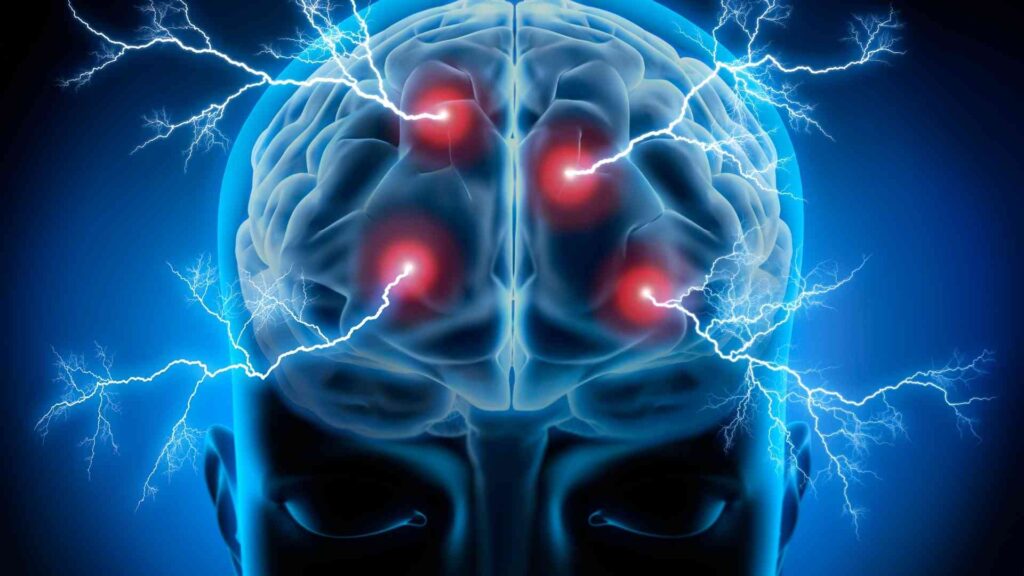
tDCS works by delivering a low-intensity electrical current to specific areas of the brain involved in mood regulation, most commonly the left dorsolateral prefrontal cortex (DLPFC), an area often underactive in people with depression.
Research suggests that tDCS may help by:
- Increasing activity in under-stimulated brain regions
- Improving emotional regulation
- Supporting neuroplasticity (the brain’s ability to adapt and rewire)
- Enhancing the effects of therapy or medication when used together
Unlike medications, tDCS is non-systemic, meaning it does not circulate through the body, which may reduce the risk of common drug-related side effects.
Why People Use Home tDCS Devices for MDD
In clinical settings, tDCS has shown promising results for treatment-resistant depression and mild to moderate MDD. Today, carefully designed home-use tDCS devices allow users to follow similar stimulation protocols under proper guidance.
People choose home tDCS devices because they are:
- Non-invasive
- Drug-free
- Time-efficient (sessions usually last 20–30 minutes)
- Compatible with ongoing therapy or medication
Choosing the Right tDCS Device
Not all tDCS devices are created equal. Safety features, electrode quality, current control, and protocol flexibility are critical, especially when targeting mood disorders.
On tdcsdevices.com, we review and compare:
- Devices suitable for depression protocols
- Clinically inspired stimulation settings
- User-friendly systems designed for consistency and safety
👉 Explore our recommended tDCS devices for depression to find options that balance effectiveness, safety, and ease of use. Go in the “review” category of our header.
Flow Neuroscience Headset

FDA-Cleared tDCS for Depression
Flow is one of the most clinically recognized tDCS headsets on the market and is FDA-approved as of December 8 for the treatment of depression. It combines brain stimulation with a structured behavioral therapy app, making it especially relevant for people with MDD.
Why it stands out
- FDA-cleared for depression treatment
- Targets the prefrontal cortex using clinically studied protocols
- Designed specifically for Major Depressive Disorder
- Accompanied by a therapy-focused mobile app
- Strong emphasis on safety and consistency
👉 Best suited for users looking for a clinically oriented, depression-focused solution.
Neuromyst Pro

Flexible tDCS for Mood & Cognitive Support
Neuromyst Pro is a more advanced and customizable tDCS device, often chosen by experienced users who want flexibility in their stimulation protocols, including those used for mood regulation.
Why it stands out
- Adjustable stimulation settings and protocols
- Suitable for mood, focus, and cognitive performance use cases
- High-quality electrodes and solid build
- Appeals to users who want more control over sessions
👉 A strong option for users seeking versatility beyond a single condition.
BrainTap Headset

Neurostimulation Combined With Guided Audio
BrainTap takes a different approach by combining light stimulation, audio guidance, and neurofeedback-style sessions. While not a classic tDCS-only device, it is often used to support stress reduction, relaxation, and mood balance.
Why it stands out
- Combines brain stimulation with guided meditation and audio
- Large content library focused on stress, sleep, and emotional well-being
- Easy to use, no complex setup
- Strong emphasis on relaxation and mental recovery
👉 Best for users looking to support mood indirectly through stress and sleep improvement.
Important Note
tDCS is not a cure for depression and should not replace professional medical care. If you have been diagnosed with MDD, consult a healthcare professional before starting any brain stimulation protocol.