
The location of the electrodes is the most important thing that affects the outcome of each tDCS session. Even slight adjustments in placement can profoundly influence the targeted brain regions and the impact of stimulation on neuronal activity. This is why it’s so important to utilize the right montage to get results that are consistent, safe, and focused on the goal.
This article is all about how to place electrodes correctly. It goes over the most popular locations and the reasons behind them so that you can use tDCS with confidence and accuracy.
Check out our reviews here if you’re still looking for a tDCS gadget!
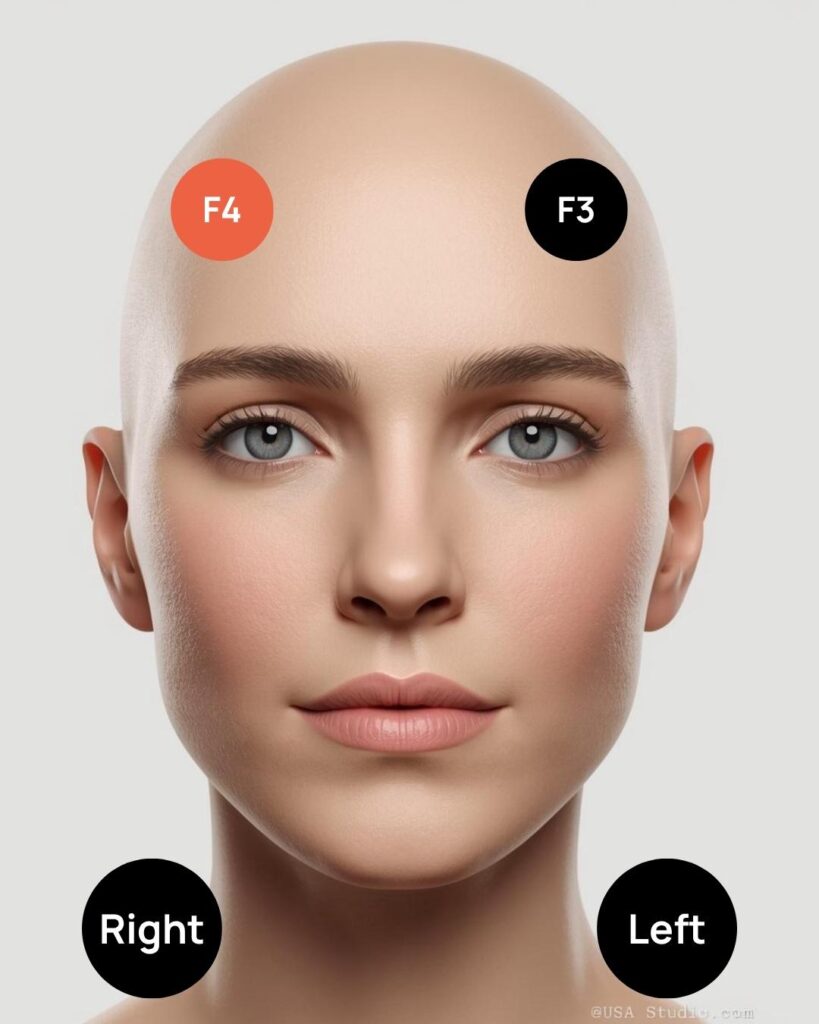
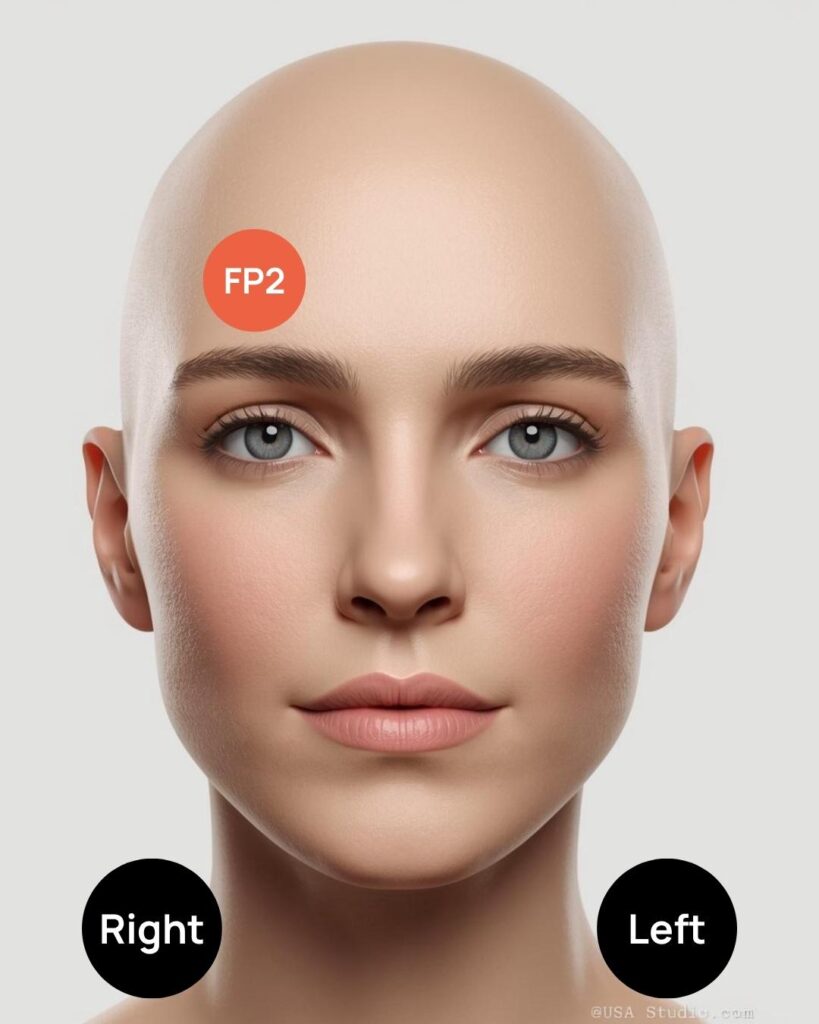
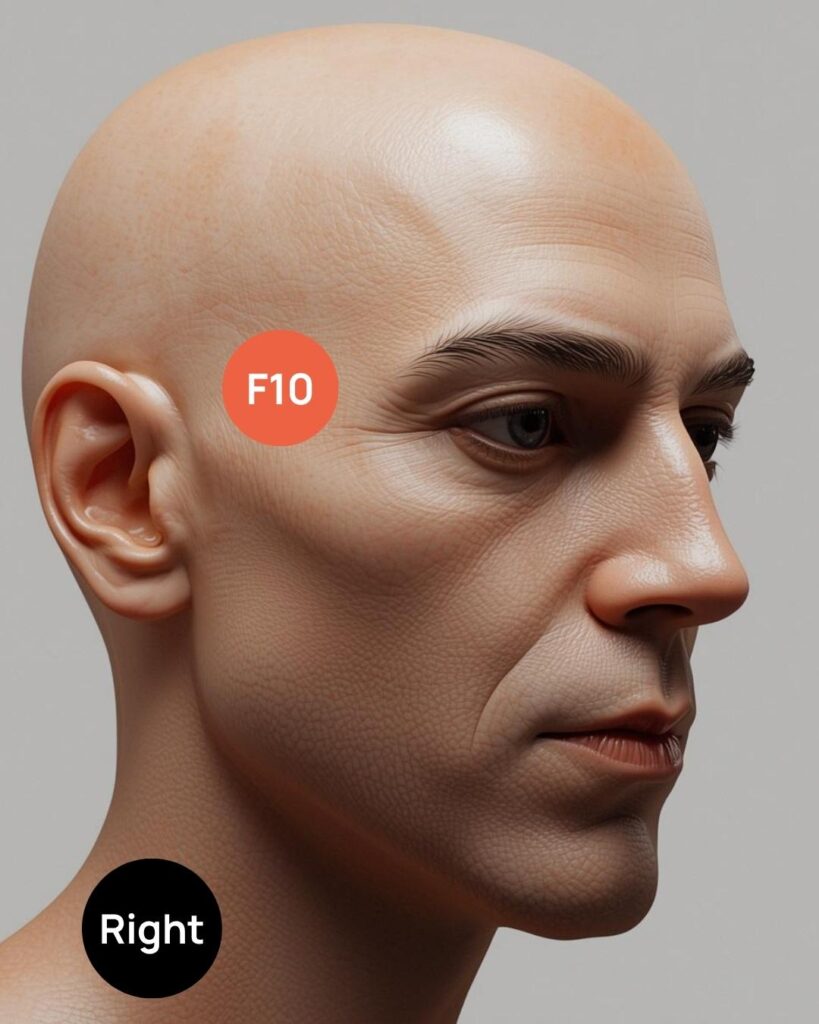
Addictive Cravings
Attention
Accelerated Learning
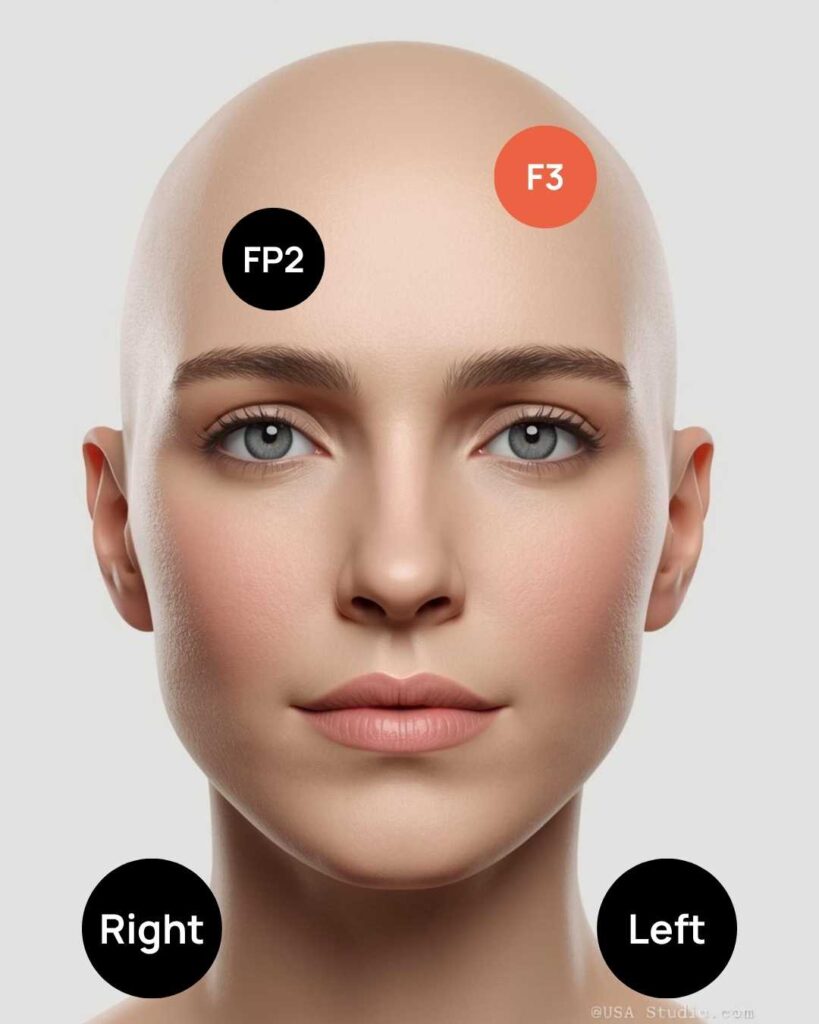
This setup focuses on the front part of the brain, which plays a role in self-control and decision-making. The electrodes are placed across the left and right sides of the forehead to help reduce urges and improve control.
For better focus, the electrodes are placed on the forehead area linked to concentration and mental control. This setup is commonly used to support sustained attention and reduce distractions.
To boost learning speed, electrodes are positioned on the front of the head where thinking and processing happen. This can help the brain absorb new information more efficiently.
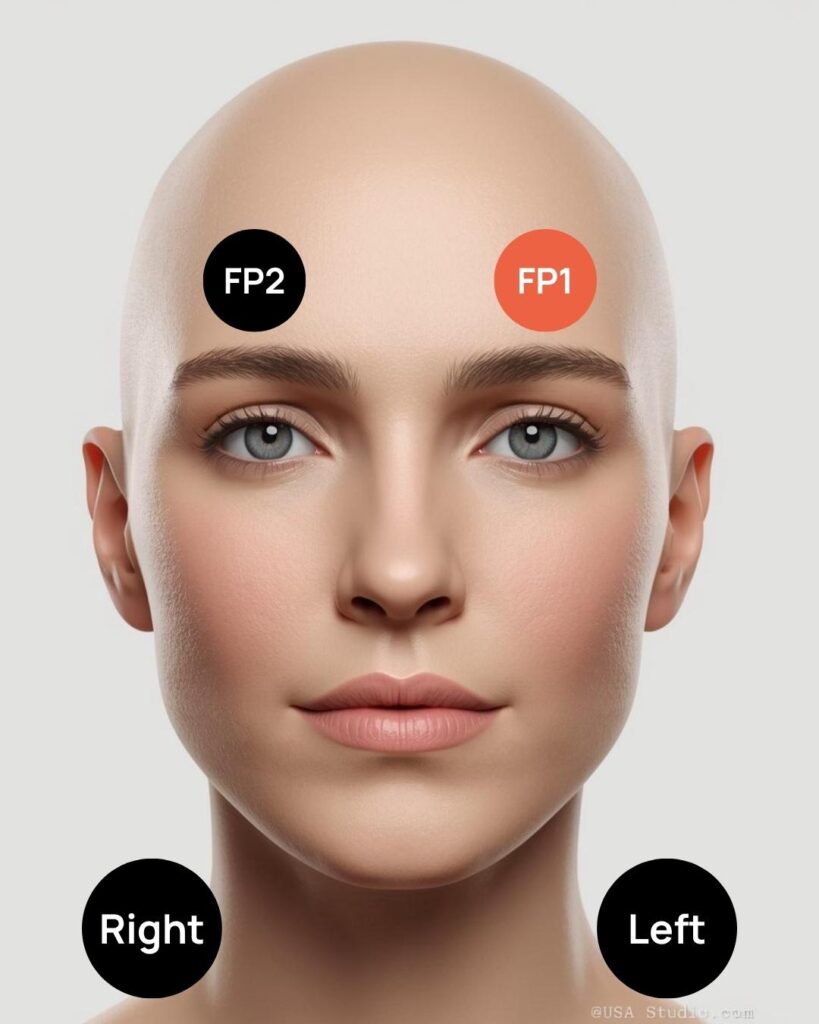
Memorization and Learning
Depression and Anxiety
Pitch Perception
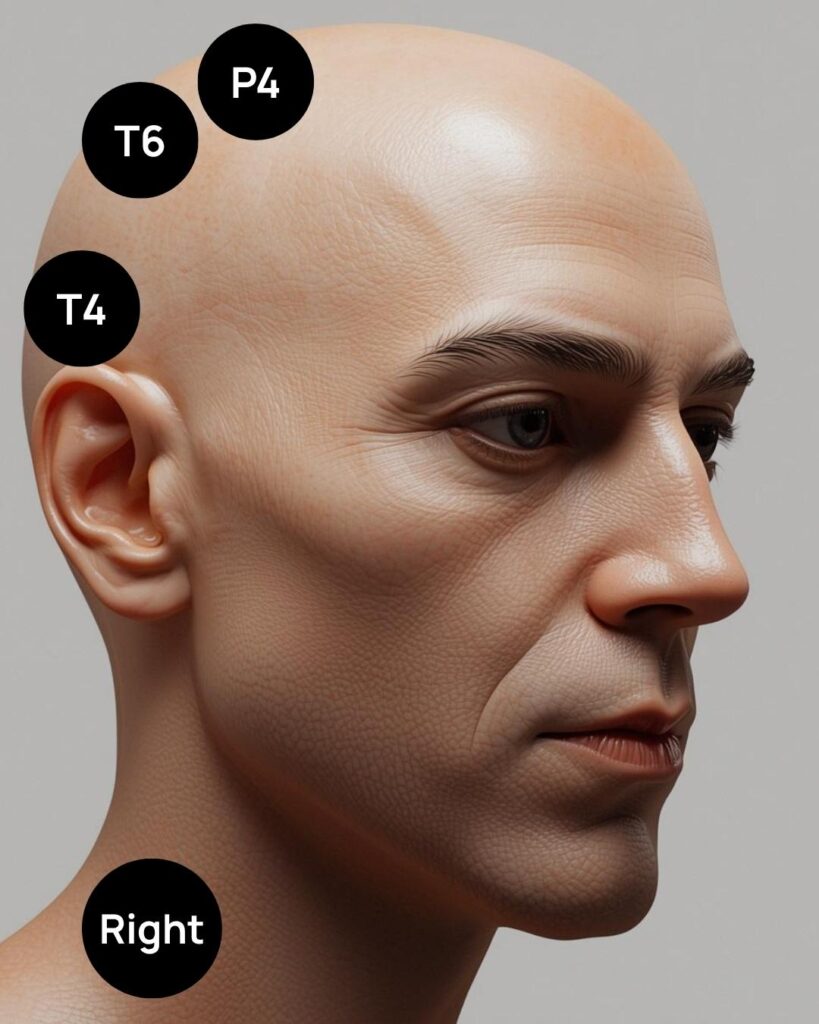
This placement targets areas involved in memory and learning, usually around the side or front of the head. It’s designed to support better retention and recall of information.
Electrodes are placed on both sides of the forehead to help rebalance brain activity linked to mood. This is one of the most common setups used for emotional regulation.
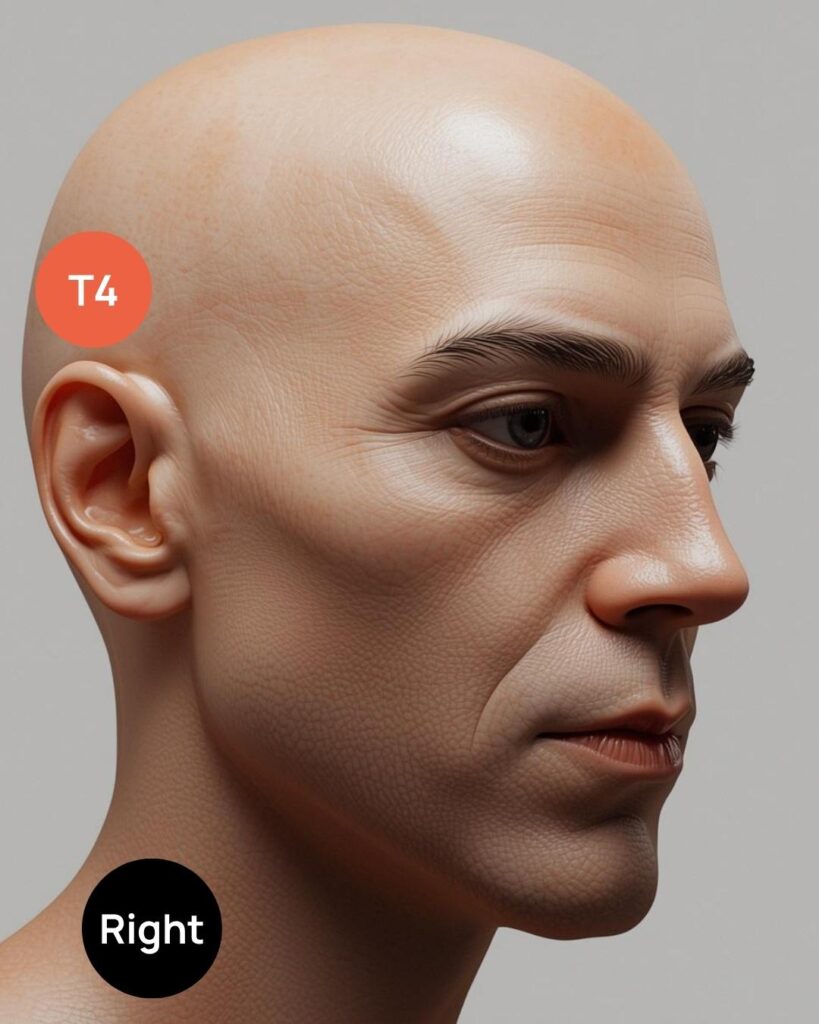
For improving pitch perception, the electrodes are placed around the side of the head near the ears, where sound is processed. This setup aims to enhance how the brain interprets tones and musical pitch.

Tinnitus
Improving Socialization
Motor Skills and Learning
This setup targets the side of the head near the ears, where sound is processed in the brain. The goal is to help reduce the perception of ringing by calming overactive auditory areas.
Electrodes are placed on the front of the head, in areas linked to social behavior and emotional understanding. This setup aims to support better interaction, empathy, and communication.
For motor skills, the electrodes are positioned over the part of the brain that controls movement, usually on the top or side of the head. This can help improve coordination and support learning new physical skills.
How Electrode Placement Works (Beginner-Friendly)
In tDCS, electrode placement is the main factor that determines which brain region will be influenced. Imagine it as “mounting” stimulation to the specific parts of your brain depending on what you want to achieve: getting concentrated, changing your mood, enhancing memory, or improving motor skills. The two points (the anode and the cathode) do different things: one helps in ramping up the activity in a given brain region and another helps in regulating the current flow.
For a newcomer, the main principle might well be that placement = intent. Each arrangement you got from the above is intended to softly drive stimulation to a certain localized brain activity/function. That’s why it’s very important to get the location right if you want reliable and effective outcomes.

What Do F3, F4, FP1, T4, C4 Mean?
Those terms (F3, F4, FP1, FP2, T4, C4, etc.) originate from the 10–20 EEG system that is a standardized procedure by which the human scalp is mapped to mark the positions. Using this system, researchers and medical professionals can be sure that everyone places their electrodes in the same spots.
Here is a quick way to get what they mean:
- Letters = part of the brain F = Frontal (forehead – decision-making, focus) FP = Frontopolar (far forehead – above eyebrows) T = Temporal (sides – hearing, language) C = Central (top middle – movement and motor control) P = Parietal (upper back – sensory processing)
- F = Frontal (forehead – decision-making, focus)
- FP = Frontopolar (very front – above the eyebrows)
- T = Temporal (sides of the head – hearing, language)
- C = Central (top middle – movement and motor control)
- P = Parietal (upper back – sensory processing)
- Numbers = which side of the head Odd numbers (1, 3, 5…) = Left side Even numbers (2, 4, 6…) = Right side
- Odd numbers (1, 3, 5…) = Left side
- Even numbers (2, 4, 6…) = Right side
A Few Quick Examples
- F3 → Front left side of your forehead
- F4 → Front right side of your forehead
- FP1 / FP2 → Very front (above your eyebrows), left and right
- T4 → Right side of your head, near the ear
- C4 → Top-right area of your head (motor region)
How to Use This in Practice
“F3–F4” simply means that you need to put one electrode on the left front of your forehead and another one on the right side.
Pictures on your page are a visual help, while the above-mentioned designations serve as a very exact location to set the electrodes correctly each time.
After a while, when you get the hang of this, electrode placement will be very straightforward and you won’t be confused about it anymore.
Safety, Consistency, and Best Practices for Electrode Placement
Precise placement of electrodes is a crucial factor influencing the effects of tDCS. Nevertheless, being consistent with the procedure and ensuring safety are just as vital as being accurate. Slight alterations in the position can result in a different pattern of stimulation. Hence, beginners should prioritize reproducibility over experimentation as the first step.
Some major principles to be aware of are:
- Prior to initiating a session, verify the placement twice Differing by a mere few centimeters can cause the shift of the stimulation to an entirely different brain area.
- Look at a reflection or use marks if you are a beginner in the 10–20 system This increases the chance of a more accurate placement, particularly for FP, F, and T positions.
- Maintain regularity in your sessions once you have identified a configuration that yields results Continuously employing the same montage will enable you to more effectively discern the way your brain reacts.
- Don’t guess placements If a montage is not thoroughly defined or understood, it is better to stop and confirm rather than to improvise.
- It is the comfort level that counts Electrodes need to be placed in such a way that they are secure and at the same time they do not cause any discomfort. Bad contact can not only lessen the effectiveness but can also result in uneven stimulation.
A structured and scientific approach to tDCS is what is primarily required. It is almost the opposite of “trying different spots randomly”. Use a map, follow it accurately every time.
Common Mistakes to Avoid
Frequently, novices encounter some fairly predictable problems when they get started:
- Confusing the 10–20 labels (especially FP vs F positions)
- Not placing the electrodes exactly over the intended areas but slightly too high or too far back
- Changing montages too frequently without keeping a track of the results
- Only thinking about “where” instead of “why” a certain placement is used
You will greatly increase the consistency as well as help yourself understand the impact different placements have on your targets by simply staying away from these mistakes.
Conclusion
The foundation for successful tDCS use is laid by electrode placement. Each montage is made with a specific intention in mind, whether it’s enhancing concentration, helping to keep a balanced mood, boosting memory, or developing motor skills. Knowing the purpose of each placement along with the 10-20 EEG labeling system will clear up most of the confusion that beginners face.
After you get accustomed to the reasoning behind F, FP, T, C, and P locations—and how the left/right layout works—placing electrodes becomes a task that you can repeat and plan, rather than one where you have to guess.
Eventually, effective tDCS usage boils down to three factors:
first, the right placement; second, a steady and consistent arrangement; and last but not least, a well-defined purpose.
If you get good at these three things, then everything else will come to you much more easily over a period of time.