


When I first encountered depression, it felt like an unending battle with an invisible opponent. My world became colorless, and everyday activities seemed insurmountable. That’s when I started looking into what could be causing these feelings and stumbled upon the monoamine hypothesis.
This theory suggests that an imbalance in the levels of neurotransmitters—like serotonin, norepinephrine, and dopamine—in our brains could be at the heart of depression. Understanding this gave me a new perspective on my condition and opened doors to various treatment options.
Types and Categories
Depression isn’t a one-size-fits-all condition; it comes in many forms. For me, it started with Major Depressive Disorder (MDD), which brought a persistent sadness and loss of interest in life. Some of my friends have experienced dysthymia, a chronic but less severe form, or even bipolar disorder, which includes extreme mood swings. Each type has its own set of challenges, and understanding these can help tailor the right treatment.
The monoamine hypothesis has different angles too. Some researchers focus on serotonin, thinking its deficiency might be why we feel down. Others look at norepinephrine and dopamine. Knowing these variations helped me and others find more specific treatments that work better for our unique situations.
Symptoms and Signs
Living with depression, I’ve noticed how it can sneak up in different ways. For some, it’s a heavy sadness that never lifts; for others, it’s an anxious restlessness. I remember feeling constantly tired, unable to concentrate, and losing interest in things I once loved. It wasn’t just emotional; my appetite changed, and sleep patterns were all over the place.

Understanding the monoamine hypothesis helped make sense of these symptoms. For instance, low serotonin levels can lead to mood swings and anxiety, which explained a lot about my own experience. It’s fascinating how these tiny chemicals in our brains can have such a big impact on how we feel.
Causes and Risk Factors
Depression is a complex puzzle with many pieces. In my case, it was a mix of genetic, environmental, and lifestyle factors. There’s a history of mental health issues in my family, which likely played a part. Stressful life events and a lack of a healthy lifestyle also contributed.
Chronic stress, I learned, can deplete serotonin levels, which could explain why prolonged periods of stress made my depression worse. Understanding these factors helped me take more control of my mental health, addressing not just the symptoms but also the underlying causes. In fact, to treat disorders like depression or anxiety, it is important to understand and manage their triggers.
Diagnosis and Tests
Getting a diagnosis was a crucial step in my journey. It involved a lot of talking with healthcare professionals, sharing my history, and undergoing various tests. Blood tests checked my neurotransmitter levels, and brain imaging showed how my brain was functioning. This thorough evaluation was eye-opening and helped tailor my treatment plan.
Treatment Options
Finding the right treatment took time and experimentation. I started with antidepressant medications like SSRIs, which helped increase serotonin levels in my brain. For some friends, SNRIs or tricyclic antidepressants worked better. Medication isn’t a magic fix, but it can significantly reduce symptoms.
Therapies like cognitive-behavioral therapy (CBT) also played a big role in my recovery. CBT helped me change negative thought patterns and cope better with life’s challenges. Incorporating regular exercise, a balanced diet, and mindfulness practices into my routine made a noticeable difference too.
Preventive Measures
Prevention is about maintaining a healthy balance. I’ve found that regular physical activity, eating a diet rich in omega-3 fatty acids, and practicing mindfulness are key. Stress management techniques, like meditation and deep breathing exercises, have been incredibly helpful. Avoiding excessive alcohol and drug use is also crucial to maintaining healthy neurotransmitter levels.
What Is The Monoamine Hypothesis?
When I first heard about the monoamine hypothesis, I was desperate to understand why I was feeling so low. This theory provided a glimmer of hope and a scientific explanation for my experiences, linking them to a chemical imbalance in the brain.
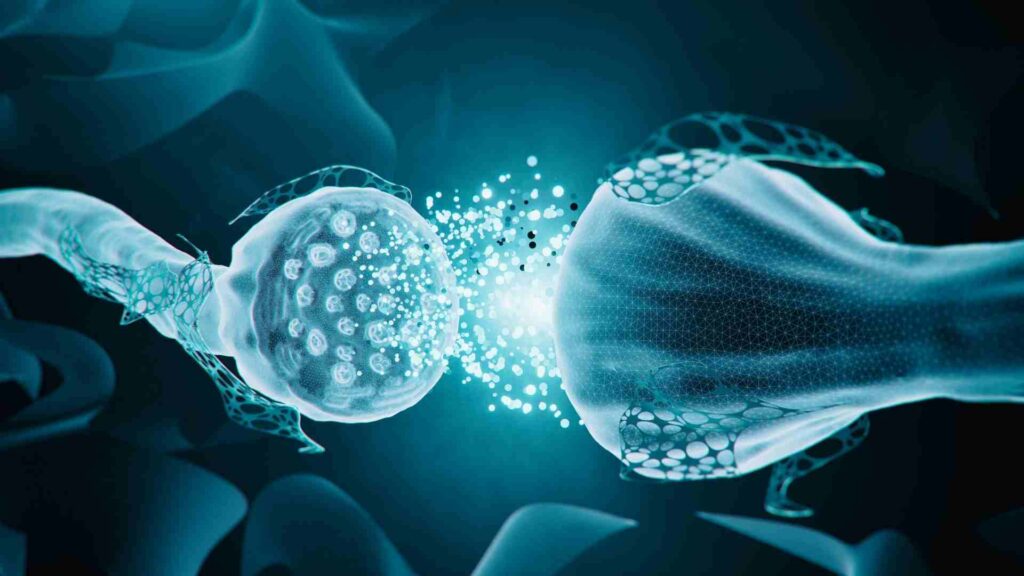
In fact, the monoamine hypothesis is a theory that attempts to explain the cause of depression. It proposes that depression is caused by a deficiency or imbalance in brain chemicals called monoamines, which include:
- Serotonin
- Dopamine
- Norepinephrine
These chemicals act as messengers between brain cells, and they are involved in regulating mood, sleep, appetite, and other important functions. The monoamine hypothesis suggests that when levels of these chemicals are too low, it can lead to depression.

The monoamine hypothesis was one of the first biochemical theories of depression, and it has been very influential in the development of antidepressant medications. Many antidepressants work by increasing the levels of monoamines in the brain.
However, the monoamine hypothesis is not without its critics. Some research suggests that the relationship between monoamines and depression is more complex than the theory suggests. For example, some people with depression have normal levels of monoamines. Additionally, it can take weeks or even months for antidepressant medications to work, even though they increase monoamine levels relatively quickly. This suggests that the effects of antidepressants may not be due solely to their effects on monoamines.
Despite these limitations, the monoamine hypothesis remains an important theory in the field of depression research. It has helped to guide the development of new treatments for depression, and it continues to be a topic of active research.
Learning about the monoamine hypothesis was eye-opening for me. It not only gave me a scientific framework to understand my depression but also highlighted the importance of seeking treatments that target these underlying chemical imbalances. This knowledge has been a cornerstone in my journey toward better mental health.
Neurostimulation Devices
Neurostimulation & The Monoamine Hypothesis
At one point, my doctor suggested trying neurostimulation treatments. It actually makes sense. In fact, The monoamine hypothesis suggests that imbalances in neurotransmitters like serotonin, norepinephrine, and dopamine are central to depression.
Neurostimulation therapies, such as tDCS and TMS, aim to correct these imbalances by using magnetic stimulation to alter brain activity, offering promising results for those who haven’t responded to traditional treatments.
By targeting the underlying chemical issues proposed by the monoamine hypothesis, neurostimulation opens new pathways to effective depression management.
tDCS (Transcranial Direct Current Stimulation)
So, I decided to give tDCS a try. It’s a non-invasive method where a low electrical current is applied to the brain through electrodes on the scalp. Surprisingly, it was painless and quite relaxing. Over several sessions, I noticed a gradual improvement in my mood and cognitive functions. tDCS seemed to help where medications alone had not been enough.
Other Neurostimulation Devices
I also explored other neurostimulation options:
– Transcranial Magnetic Stimulation (TMS): TMS uses magnetic fields to stimulate nerve cells. A friend of mine found it very effective, especially after other treatments didn’t work.
– Electroconvulsive Therapy (ECT): Though it sounds intimidating, ECT can be a lifesaver for severe depression. It involves inducing controlled seizures to reset brain function. Another friend experienced significant relief from severe depressive episodes through ECT.
– Vagus Nerve Stimulation (VNS): VNS involves a device implanted to stimulate the vagus nerve with electrical impulses. It’s more invasive but can be effective for chronic, treatment-resistant depression.

Effectiveness and Future Prospects
The results of neurostimulation treatments can vary, but many people, including myself, have found significant relief from symptoms. These techniques are continually being refined, promising even better outcomes in the future. Neurostimulation could revolutionize depression treatment, offering hope to those who haven’t found relief through traditional methods.
Personal Stories or Case Studies
Hearing about others’ experiences with depression and various treatments has been inspiring. One story that stands out is of a friend who battled severe depression for years. She tried medications, therapy, and lifestyle changes with limited success. It wasn’t until she started TMS that she saw a dramatic improvement. Her experience encouraged me to explore neurostimulation, leading to my own positive results with tDCS.
Expert Insights
I’ve learned a lot from talking to medical professionals and researchers about the monoamine hypothesis and depression treatments. Their insights have been invaluable in understanding the complexities of depression and the importance of personalized treatment plans. One doctor explained how emerging treatments like neurostimulation are paving the way for more effective and individualized care.
Conclusion
Understanding the monoamine hypothesis has been a game-changer in my battle with depression. By learning about the roles of serotonin, norepinephrine, and dopamine, I’ve been able to find treatments that work for me. Incorporating advanced treatments like neurostimulation has opened up new possibilities for managing my condition. Continued research and education are essential to improving our understanding and treatment of depression, offering hope to many who struggle with this challenging condition.